
Introduction: The Moment That Sets the Tone
At 8:45 on a Monday, a visitor steps into a bright lobby and searches for a face, a sign, a counter. Reception Desks anchor this moment, even before anyone speaks. In those first seven seconds, most guests decide whether your space feels ordered, safe, and worth their time; about one in three will judge service by how fast they get oriented, according to cross-industry surveys. So what really decides the flow—design, tech, or the people behind the counter (all three, but not equally)? And if the front desk is the choke point, why do queues still form when lobbies look new? Here is the quiet truth: a desk is a system, not a piece of furniture, and weak systems leak confidence. Let us trace this system with care—step by step—and see what holds back performance.
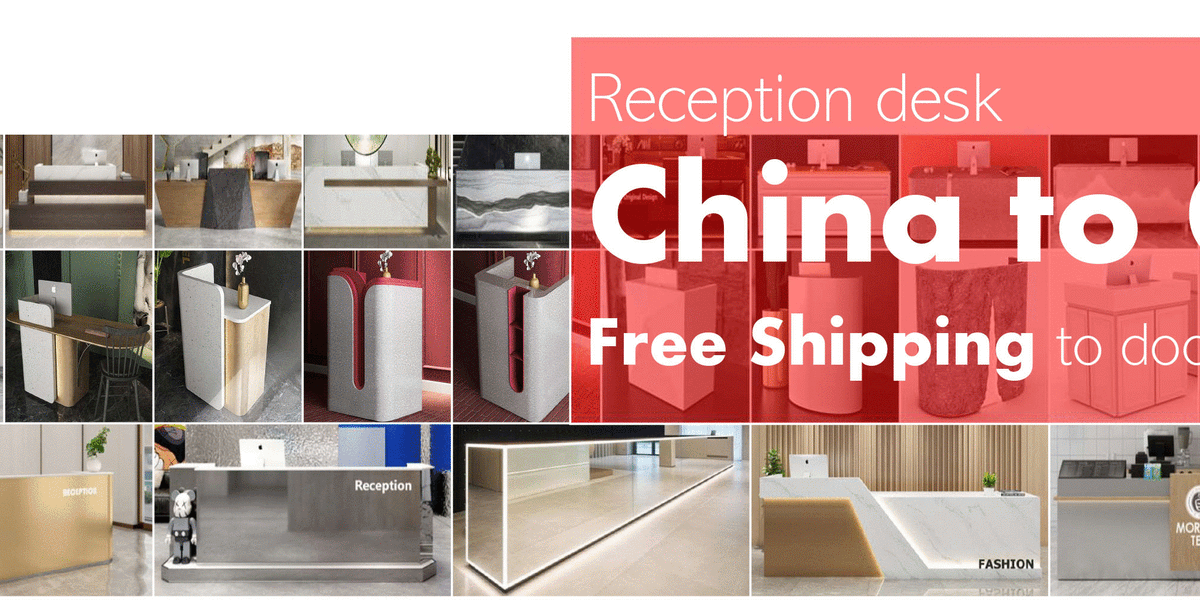
Under the Surface: Hidden Pain Points in Traditional Front Desks
Where do the bottlenecks hide?
A modern reception desk is built to remove friction, not just look sleek. Look, it’s simpler than you think: most delays come from three unseen gaps. First, wayfinding and triage. Without a basic queue management system, the first guest controls the pace for everyone behind. Second, compliance and access. If ADA clearance is an afterthought, the desk shape forces awkward turns and repeated assistance. Third, power and data. Poor cable management pushes devices out of reach, so staff shift tools around all day instead of serving guests—funny how that works, right?
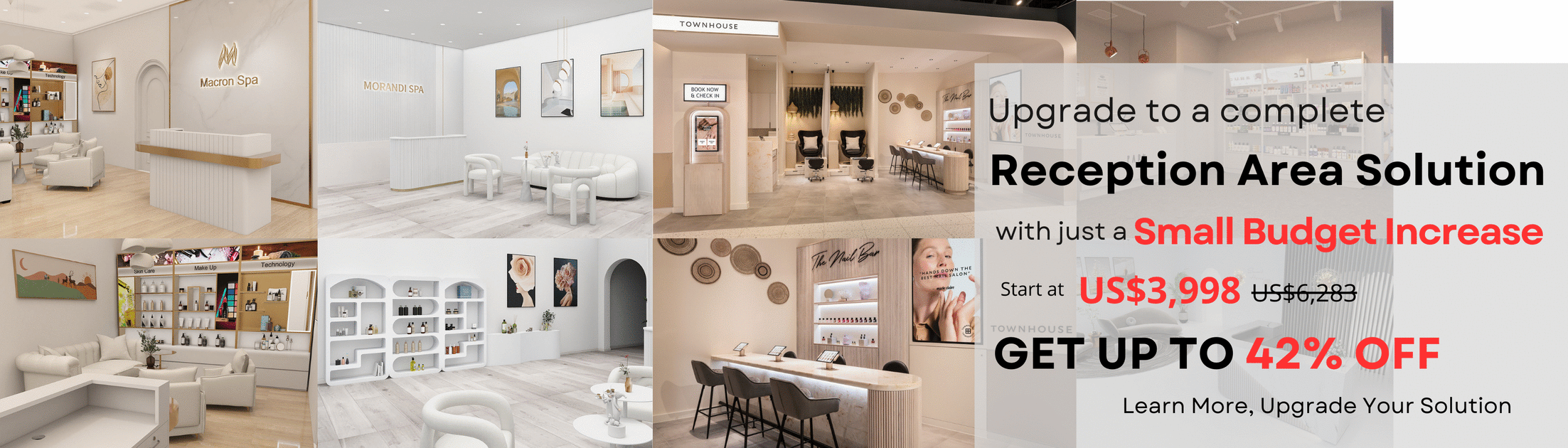
Traditional solutions try to fix this with more staff or bigger counters. But bigger is not faster. A compact radius with clear sightlines, embedded RFID reader, and a warm solid surface solves more problems than an oversized slab. Fronts need low-voltage lighting for clarity, not glare. Surfaces must guide handoffs: documents here, cards there, bags nowhere. The desk is the router for people and tasks. When that routing is messy, service time expands. When it is crisp, even a small team feels quick and calm. The difference is design logic, not decoration.
Looking Ahead: Smart Front Desks Without the Friction
What’s Next
The coming shift is not about gadgets for their own sake; it is about clean principles. Think modular bays for peripherals, edge-friendly sensors for arrival cues, and task zoning that separates check-in from consultation. In one busy studio, swapping a single straight counter for a tapered layout with acoustic panels reduced cross-talk and cut wait times by 22%. Now picture a gym reception desk using the same playbook: quick scan at the outer edge, deeper help at the inner bay, lockers routed away from the entry. It is the same queue, but divided by intent (fast lane vs. help lane), and it works.
Future-ready desks also treat maintenance as part of the user journey. Panels open from the service side, so technicians access power converters and patch points without blocking guests. Signage slots update without tools. Materials resist high-touch stress yet stay warm—laminate where it takes hits, solid surface where it meets the hand. And when analytics flag a spike, staff can reassign zones in minutes. This is not sci-fi; it is humble, modular practice. We keep the human at the front, but we let the system carry the load—and it shows.
Before you select a solution, use three simple metrics. One, flow clarity: can a first-time visitor navigate without asking? Two, task latency: measure average handoff time from greeting to action under moderate load. Three, service resilience: if one device fails, does the desk still run at 80% through alternative paths? When these scores sit high, you get fewer lines, calmer staff, and a lobby that feels honest about time. For further guidance rooted in practical builds and thoughtful layouts, see M2-Retail.
