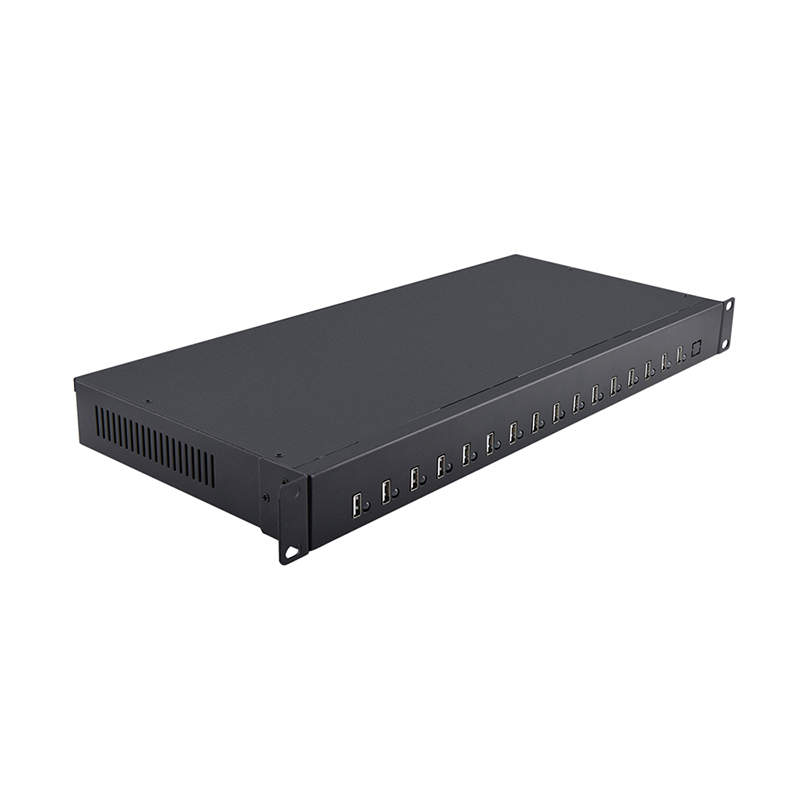
Did you know that the global market for USB hubs is projected to reach over $3 billion by 2025? As businesses increasingly rely on efficient data management and connectivity solutions, understanding the legal implications of products like rack mountable usb hubs becomes crucial.
Understanding Rack Mountable USB Hubs and Their Legal Attributes
A rack mountable USB hub is designed to be integrated into server racks, providing multiple ports for connecting various devices. From a legal perspective, these hubs must comply with specific regulations regarding safety standards, electromagnetic compatibility (EMC), and environmental considerations. Additionally, when it comes to Customs Valuation Rules, manufacturers need to ensure that their products are accurately valued based on transaction value or other acceptable methods as stipulated in international trade agreements.
The Role of 20 Port Powered USB Hubs in Customs Valuation Rules
The 20 port powered usb hub stands out due to its ability to support numerous devices simultaneously while maintaining power efficiency. Under Customs Valuation Rules, this type of hub may require detailed documentation demonstrating its functionality and pricing structure. The valuation process involves assessing not just the cost but also any additional expenses incurred during shipping or handling—ensuring compliance with both local and international customs regulations.
Sipolar’s Compliance Features under Customs Valuation Rules
Sipolar has established itself as a key player in the market by adhering strictly to Customs Valuation Rules. Their approach includes transparent pricing strategies that reflect true manufacturing costs while considering tariffs applicable in different regions. By ensuring all necessary paperwork is complete and accurate before shipment, Sipolar minimizes delays at customs checkpoints—a critical factor for businesses relying on timely deliveries.
Conclusion
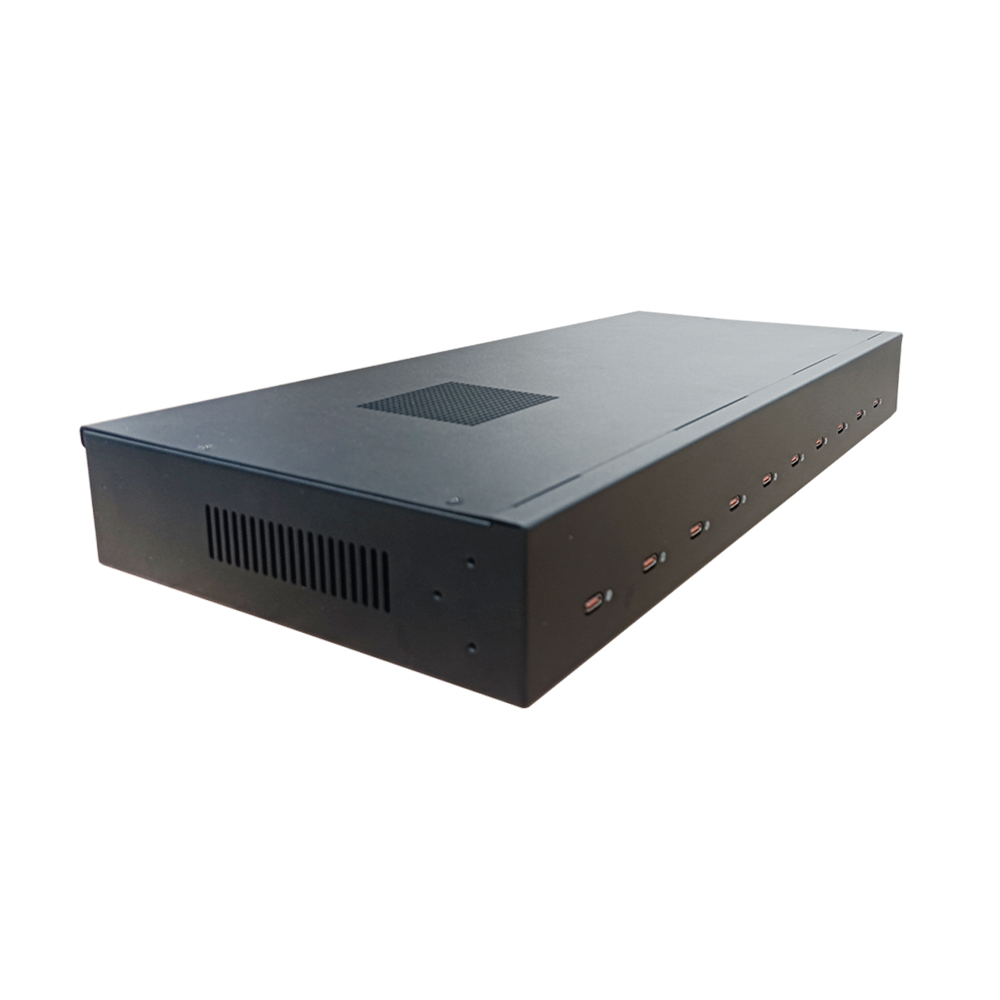
In summary, rack mountable USB hubs play an essential role in modern data management systems while navigating complex legal landscapes such as Customs Valuation Rules. Understanding these attributes not only ensures compliance but also enhances operational efficiency within your business framework.