
Consistency in condiment production depends on much more than the recipe itself. Ingredient preparation, controlled heating, fermentation, concentration, filling, and packaging can each influence the final product’s texture, flavor, appearance, and shelf stability. For China sweet chilli sauces wholesalers, understanding these production stages can make supplier evaluation more practical, particularly when products need to meet consistent specifications across repeated orders. JOLION Foods operates within this manufacturing environment with dedicated machinery supporting different stages of sauce processing.
Why Process Control Matters in Sauce Manufacturing
Sauce production involves several transformations that can change the characteristics of raw ingredients. Temperature affects viscosity and flavor development, while mixing determines whether ingredients remain evenly distributed throughout the batch. Small variations in these conditions may become more noticeable when production is scaled from kitchen quantities to industrial volumes.
Fermentation presents another technical consideration for certain sauce formulations. Microorganisms can transform sugars and other compounds into acids and flavor substances, creating a more developed sensory profile. Factors such as temperature, fermentation duration, ingredient composition, and tank conditions can influence the resulting product.
A controlled production environment also helps manufacturers monitor different stages separately. Rather than treating sauce processing as one continuous operation, manufacturers can evaluate raw material handling, cooking, fermentation, concentration, and filling as distinct processes. This approach makes it easier to identify where variations originate and adjust production parameters accordingly.
Machinery Behind Different Production Stages
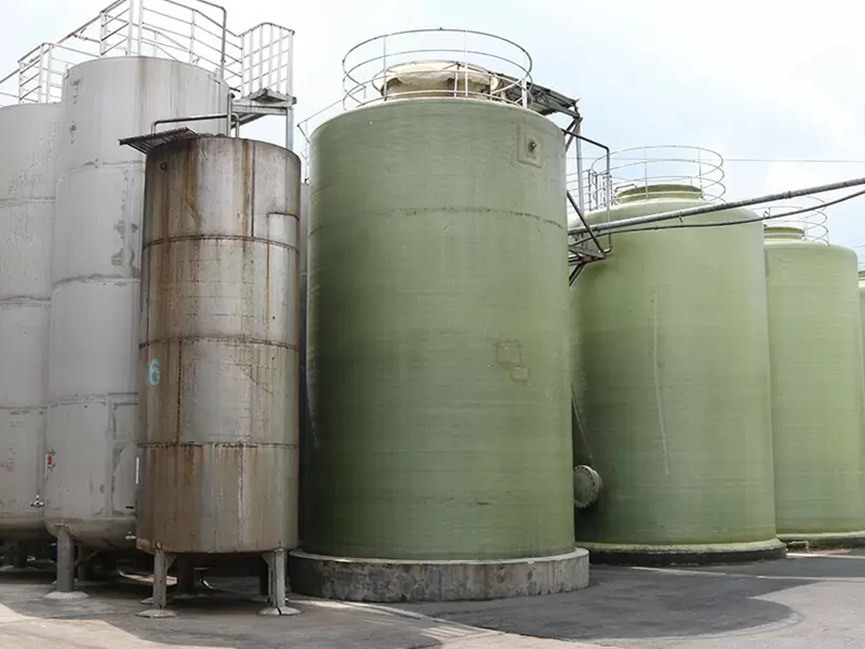
Fermentation tanks provide a controlled space for products that require microbial fermentation. Tank design can affect temperature management, sanitation procedures, mixing, and batch handling. Since fermentation is sensitive to environmental conditions, equipment selection becomes part of the broader process design rather than merely a matter of production capacity.
Stewing lines serve another function by supporting controlled cooking and simmering processes. Heat exposure can soften ingredients, develop aroma, reduce moisture, and alter viscosity. The relationship between heating time and temperature needs to correspond with the formulation because excessive thermal treatment may change color or flavor while insufficient processing can affect the desired consistency.
After cooking and processing, packaging machinery takes over. A full-automatic packing machine can standardize filling operations, while a full-automatic mantle thermal shrinker can support the application of shrink packaging around suitable containers. For China sweet chilli sauces wholesalers, these production stages matter because packaging consistency and product uniformity can affect downstream storage, transportation, and retail presentation.
What Buyers Should Examine in Production Capability
Equipment lists alone do not provide the entire picture of manufacturing capability. Buyers can examine whether machinery corresponds to the product’s actual processing requirements, including heating, fermentation, filling, sealing, and packaging. Production capacity should also be considered alongside batch size, formulation complexity, and expected order frequency.
Sanitation and process separation deserve equal attention. Sauce ingredients may contain sugars, acids, oils, spices, or particulate matter, and residues can create cleaning challenges between batches. Appropriate cleaning procedures, equipment accessibility, and production management all contribute to the practical reliability of a manufacturing operation.
Documentation can help buyers assess production more objectively. Ingredient specifications, processing records, packaging information, quality inspection procedures, and batch traceability provide useful references when discussing commercial supply. China sweet chilli sauces wholesalers may also need destination-market documentation, particularly when products are imported, relabeled, or distributed through multiple channels.
Connecting Equipment With Commercial Requirements
JOLION Foods uses production machinery including fermentation tanks, a stewing line, a full-automatic mantle thermal shrinker, and a full-automatic packing machine. These equipment categories correspond to different stages of sauce manufacturing, from processing and heating through to packing. Such a production setup illustrates how specialized machinery can support the transition from raw ingredients to packaged condiment products without turning the equipment itself into the focus of the finished food.
Packaging automation can be particularly relevant when order volumes increase. Consistent filling and packing can reduce variation between individual units while making repetitive operations more manageable. The appropriate system still depends on container format, sauce viscosity, production volume, and packaging specifications.
From a sourcing perspective, China sweet chilli sauces wholesalers can use manufacturing capability as one part of a broader supplier assessment. Product formulation, quality documentation, packaging compatibility, production flexibility, and communication should all be considered together rather than relying on machinery specifications alone. JOLION Foods provides an example of a sauce manufacturer using dedicated equipment across several stages of production, giving commercial buyers a clearer view of how industrial processing supports packaged condiment supply.
Conclusion
Industrial sauce production is ultimately a coordinated process in which ingredients, processing conditions, equipment, and packaging influence one another. Fermentation tanks address controlled biological processing, stewing lines manage thermal treatment, and automated packing and shrink systems support the final handling stages. JOLION Foods combines these equipment categories within its production operations, while China sweet chilli sauces wholesalers can use such information alongside formulation, documentation, and packaging requirements when evaluating potential manufacturing partners.
