
Introduction: A Quiet Kitchen Moment, Some Numbers, and a Question
I once watched a baker gently peel a perfectly risen loaf from a silicone mold, smiling like it was a small victory—everybody in the kitchen cheered. In that moment I thought about materials, standards, and use-cases; and then I checked the numbers: over 60% of home bakers now use silicone bakeware, and the market for food silicone products is growing fast (surprising, right?). Food silicone is easy to use and easy to praise, yet how often do we ask whether those items meet real safety and performance needs? As someone who tests materials and talks to product makers, I want to walk you through the facts, quietly and clearly, before you buy—or design—your next piece of equipment. Let’s start by looking at what usually goes unseen and why it matters.
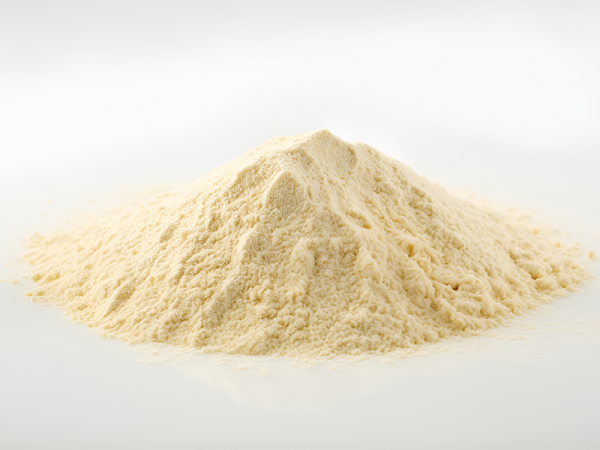
Part 2 — Where Traditional Answers Fall Short: The Hidden Flaws of Food Grade Silica
food grade silica is often presented as the simple fix for safety in food-contact silicone, but I’ve found that history and habit conceal several technical issues. Manufacturers frequently rely on generic fillers and old formulations that skirt the real problems: inconsistent thermal stability, uncontrolled cross-linking, and trace catalyst residues that affect flavor or performance. These aren’t just lab talking points—they’re practical headaches for chefs and engineers. I’ve seen molds warp under high heat, and I’ve measured unexpected odors after a few cycles. Look, it’s simpler than you think—better raw material control would prevent many of these failures.

What exactly goes wrong?
First, many conventional silicone blends use fillers that compromise elasticity over time, so items lose shape or tear. Second, imprecise curing (vulcanization) can leave unreacted chemicals behind, which matters if you’re storing acidic foods. Third, supply-chain shortcuts—substituting lower-grade silane coupling agents—reduce bonding and shorten product life. I’m convinced these are fixable issues, but they require better specification, testing, and traceability. In short: the standard approach treats silicone like a commodity; that’s the flaw.
Part 3 — Looking Forward: Case Examples and Future Outlook for Safer Silicone
When I look ahead, I focus on real examples where smarter choices made a difference. A mid-sized cookware brand switched to monitored batches of food grade silica, tightened curing profiles, and eliminated suspect coupling agents. The result: fewer returns, clearer odor profiles, and improved thermal resistance—measurable wins for both cooks and the bottom line. That shift didn’t happen overnight; it required testing, process changes, and a willingness to spend a little more upfront. — funny how that works, right?
Real-world Impact
Companies that adopt precise formulations and quality analytics reduce product failures and boost consumer trust. From my conversations with R&D teams, the trend is toward documented supply chains and more frequent quality checks—thermogravimetric analysis and simple sensory panels, for example. These steps help control thermal stability, prevent catalyst residues, and assure consistent cross-linking. Going forward, expect more transparent labeling and targeted certifications that matter beyond marketing. If you’re choosing suppliers or designing a product, consider these three metrics to evaluate alternatives: impurity levels (ppm), thermal aging performance (cycles at target temperature), and cured-elasticity retention over time. I use them personally when I assess new materials—because words are fine, but data settles the question.
To wrap up: prioritize verified raw materials, demand provenance for silica sources, and expect manufacturers to share test results. These are practical, not lofty, demands—and they lead to safer, longer-lasting products. For manufacturers and buyers who want a straightforward partner in this space, consider the documented solutions from JSJ.
