
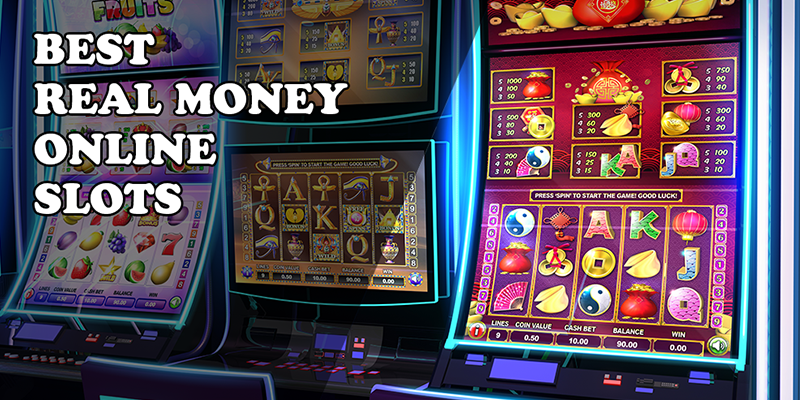
The rise of online slot gaming in the United States has brought about technological innovation, entertainment accessibility, and economic impact. What many fail to recognize, however, is how this virtual gaming sector mirrors certain operational behaviors and developmental structures of the U.S. construction and contractor industry RT138 Login From risk evaluation to structural planning and long-term profitability, parallels between these two industries reveal intriguing insights into how digital systems often replicate physical processes.
Strategic Architecture in Online Game Design and Building Projects
When general contractors begin a project—whether it’s a residential neighborhood in Texas or a commercial tower in New York—the first phase always involves blueprints, zoning assessments, and engineering validation. The same structured methodology exists in online slot development, where software architects plan out user interfaces, payout algorithms, graphics rendering, and server stability before initiating production.
According to data from the U.S. Chamber of Commerce, roughly $2 trillion was spent on construction activities across various sectors in 2023. This massive volume of planning and execution isn’t unlike the online gaming industry, where developers spend years crafting software that functions seamlessly under user demand. Slot mechanics such as Return to Player (RTP), volatility, and random number generation systems are all based on intricate planning—mirroring the calculations contractors use for material stress tests and load-bearing assessments.
Adapting to User Preferences and Environmental Conditions
Successful construction firms across the U.S. continuously modify project plans based on location-specific climate, local regulations, and client expectations. Similarly, online slot designers must adapt to player demographics, regional gaming laws, and trends in visual culture. For example, a construction contractor in Florida might use hurricane-proof materials; meanwhile, a game developer launching in Pennsylvania must follow that state’s gaming commission rules and player behavior analytics.
Reports from Dodge Data & Analytics show that nearly 60% of contractors implemented site-specific customization in 2023 to meet compliance and customer satisfaction targets. Online slot platforms do the same by offering themes ranging from Americana to anime, catering to segmented markets much like contractors tailor building materials and layouts to geographic and cultural factors.
The Lifecycle of Projects and Slot Releases
In the construction domain, a typical project goes through multiple stages: bidding, planning, breaking ground, construction, inspection, and final delivery. Similarly, an online slot game progresses through concept development, coding, internal testing, beta release, user feedback, and final rollout. Each stage demands quality control, risk mitigation, and budget adherence.
Based on data from the National Association of Home Builders, delays in material supply chains caused over 45% of contractors to exceed timelines in 2023. Online slot developers experience equivalent pressure when server issues, unexpected bugs, or compliance testing push back a release date. In both industries, project management tools and milestone tracking are essential to remain profitable and efficient.
Workforce Integration and Digital Labor
The U.S. construction industry supports millions of jobs—from equipment operators to structural engineers—contributing significantly to national employment figures. While online slot development doesn’t involve cranes or steel beams, it still relies heavily on a skilled labor force. Programmers, animators, database managers, cybersecurity experts, and regulatory consultants all play a role in bringing a single online slot to life.
According to the Bureau of Labor Statistics, more than 7.8 million people were employed in construction-related occupations in 2024. Meanwhile, data from IBISWorld suggests that the U.S. online gambling market—including slots—supports a growing workforce of over 30,000 individuals. These numbers emphasize that though the physical and virtual worlds differ, their economic contributions and employment potential are comparable.
Revenue Generation and User Engagement Models
The income structure in both industries relies on delivering value—through physical utility or digital entertainment. In construction, a contractor profits from delivering habitable or functional structures that last for years. In contrast, online slot operators profit through long-term user engagement, made possible by attractive graphics, fair payout ratios, and promotional incentives.
In a similar fashion, commercial property developers earn through leasing or selling space, just as online slot platforms generate consistent income from player deposits, subscriptions, and tournament entries. In 2023, the construction sector in the U.S. accounted for 4.3% of total GDP, whereas the online gaming industry surpassed $12 billion in revenue, highlighting the scale at which both models operate.
Legal Oversight and Operational Transparency
Just as OSHA monitors safety compliance in construction projects, state gaming commissions in New Jersey, Michigan, and other licensed jurisdictions ensure that online slots adhere to fair play and anti-addiction protocols. Developers must obtain RNG certification and submit payout logs for audit, while contractors must submit to inspection for plumbing, electrical wiring, and fire hazards.
Both industries face penalties for non-compliance. Construction companies risk license suspension or litigation; online slot developers can face bans from entire states or platforms if found violating rules. This layer of accountability reinforces public trust and long-term viability in both sectors.
Innovation in Materials and Technology
New-age construction in the U.S. often employs 3D printing, prefabricated materials, and smart HVAC systems. Similarly, the online slot space is rapidly embracing innovations such as virtual reality integration, live-slot tournaments, and AI-based personalization. Both industries are leaning heavily on digital transformation to reduce costs, increase user satisfaction, and remain ahead of competitors.
Construction industry studies reveal that 35% of firms increased their investment in digital project planning tools in 2023. The online slot sector has similarly ramped up investments in real-time multiplayer technology and blockchain-based payment systems, setting the stage for more immersive and transparent gaming environments.
Conclusion: Bridging the Gap Between Clicks and Concrete
At first glance, the online slot industry and the U.S. construction sector seem to operate in completely different universes. One builds virtual worlds with spinning reels and jackpots, while the other erects homes, bridges, and skyscrapers. Yet, when examined closely, they share an underlying framework of structural design, regulation, labor force dependency, and innovation-driven growth.
Understanding these connections helps us appreciate how principles of engineering, economics, and planning transcend traditional boundaries. Just as steel and concrete shape the American skyline, so too do pixels and code sculpt the entertainment landscape. The blueprint for success, it turns out, is universal—whether you’re laying bricks or coding jackpots.
