
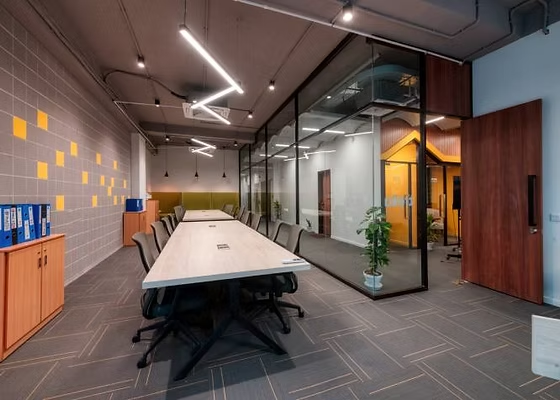
In today’s fast-paced corporate environment, businesses are continually seeking ways to remain agile, productive, and cost-effective. One of the most significant shifts in recent years has been the growing preference for office rental over traditional ownership. Office rentals offer flexibility and convenience that align perfectly with the dynamic nature of modern enterprises. From startups to established corporations, companies are increasingly turning to rented office s 荃灣 office paces as a strategic solution to accommodate their evolving needs and to maintain a competitive edge in their respective industries.
The foremost benefit of renting office space is the flexibility it offers. Unlike property ownership, which ties a business to a specific location and long-term financial commitment, office rentals allow companies to adapt quickly. As businesses grow or downsize, they can upgrade or reduce their office space accordingly without the burden of selling property or dealing with long-term mortgage payments. This agility is crucial, particularly for startups or small businesses that may experience rapid changes in workforce size and operational requirements. Flexible lease terms, shared office spaces, and customizable layouts further enhance this adaptability, making rentals an ideal option for many business models.
Another significant advantage of office rental is cost efficiency. Renting an office often requires significantly less upfront capital than purchasing a commercial property. This cost-saving is especially beneficial for new businesses with limited budgets. Moreover, rented office spaces typically include essential amenities such as maintenance, security, cleaning services, and internet connectivity in the rental fee. This bundled approach not only reduces overhead costs but also minimizes the administrative burden on business owners, allowing them to focus more on growth and innovation. Additionally, by avoiding property taxes and repair responsibilities, businesses can allocate funds more strategically toward marketing, talent acquisition, or research and development.
Location is another critical factor that makes office rentals highly appealing. Many office rental providers offer prime locations in city centers or business hubs, giving tenants access to high foot traffic, professional networks, and convenient transportation options. Having a prestigious address can enhance a company’s image and credibility in the eyes of clients and partners. Proximity to other businesses, restaurants, banks, and public transport creates a conducive work environment and improves employee satisfaction. In contrast, purchasing a similarly well-situated property may be financially out of reach for many businesses, making rental the more practical and beneficial option.
Office rentals also promote collaboration and networking, especially in co-working or shared office environments. These spaces are designed to foster interaction among professionals from various industries, encouraging knowledge exchange and potential partnerships. Startups and freelancers, in particular, benefit from being part of a vibrant business community where ideas and resources can be shared. Furthermore, many rental offices include communal lounges, meeting rooms, and event spaces that facilitate teamwork and client interactions. This built-in community aspect contributes to a more dynamic and engaging workplace culture.
Scalability is another major reason businesses choose office rentals. As companies expand into new markets or test new regions, renting office space offers a low-risk way to establish a presence without making a significant investment. Temporary or project-based teams can operate efficiently in rented spaces, which can be easily vacated or relocated once the assignment is complete. This level of scalability supports strategic decision-making and reduces the risks associated with long-term real estate investments. It also empowers businesses to be more experimental and responsive to changing market conditions.
In conclusion, office rentals present a versatile and strategic solution for businesses aiming to remain nimble and efficient. From cost savings and prime locations to networking opportunities and scalable options, the advantages are compelling. As the business landscape continues to evolve with digital transformation and remote work trends, the demand for flexible office solutions will likely increase. Companies that leverage the benefits of office rentals position themselves for sustainable growth and long-term success in a competitive and ever-changing market.
