
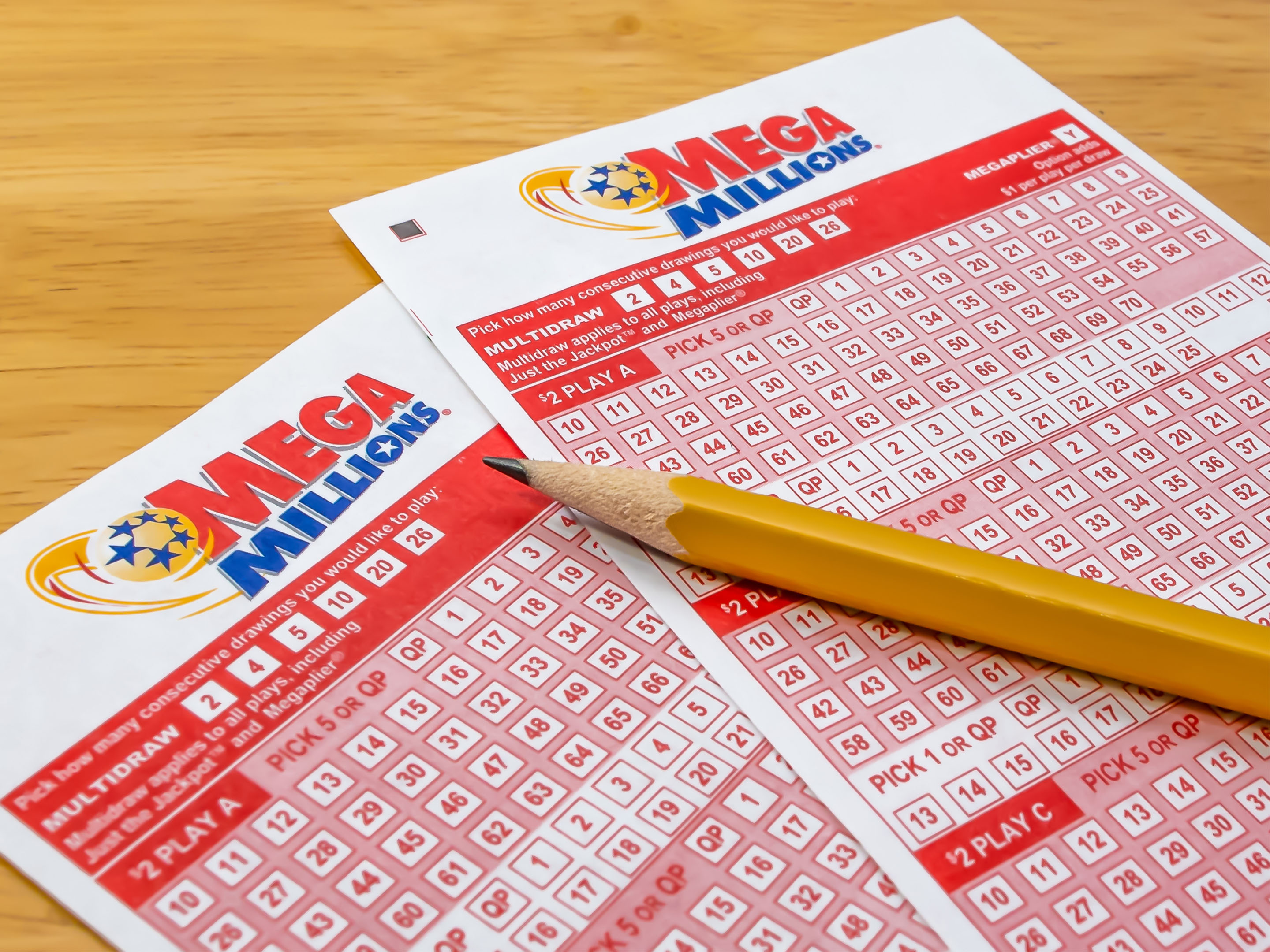
The dream of hitting the lottery jackpot has fascinated people for generations. With just a few numbers on a ticket, anyone—regardless of background, wealth, or circumstance—can imagine the life-changing moment of seeing those https://joseumanaexcavating.com
digits roll into place. But while the appeal is general, the odds are notoriously low. Most lottery games are built on probability models that favor the house by design, and the chance of winning a multi-million-dollar prize is often more compact than being minted by super. Still, players continue to look for ways to tilt the odds in their favor, not out of desolation, but from the hope that a few smart strategies might provide a competitive edge. Though there’s no surefire way to beat a game based entirely on chance, there are certain habits and approaches that can at least help you play more wisely and maximize whatever chances do exist.
One of the first things to understand when it comes to boosting your lottery chances is that not all lottery games are created equal. National games like Powerball or Ultra Millions offer enormous jackpots but also come with astronomical odds—often in the choice of 1 in 292 million. Meanwhile, smaller local or state lotteries might offer much better chances, even if the winnings are significantly lower. The secret is to weigh risk against reward. You may not walk away with a $500 million windfall by choosing a lesser-known lottery, but you’re more likely to win something. Players who truly want to improve their chances should look into focusing on games with better probability structures, even if that means sacrificing the fantasy of the ultra jackpot in favor of more attainable prizes.
Another strategy that statistically helps, though slightly, is buying more tickets—but with caution. Yes, purchasing additional tickets for a single draw increases your exact likelihood of winning, but not by much. For example, buying ten tickets instead of it’s possible to increase your chances tenfold, if you are chances were 1 in 100 million to begin with, they only become 1 in 10 million with ten tickets. The change is technically real, but still negligible in practical terms. What’s more important is how you structure your entries. Instead of spending a lot on one draw, some players choose to spread smaller table bets across multiple draws or use lottery costly to combine their buying power. Playing in a group allows you to buy more tickets collectively, thereby improving your chances without having all the financial risk alone.
Consistency also plays a subtle role in improving your potential to win. While lottery outcomes are random, staying committed to a regular schedule of play, especially in group formats, gives you more long-term contact with possible wins. Some players declare by playing the same set of numbers per week, assuming that consistency will pay off. Although this doesn’t technically change the odds of any single draw, it ensures due to miss a win due to switching numbers or disregarding to play. Additionally, being consistent allows you to take advantage of features like second-chance draws and promotional entries that some lotteries offer, further boosting your likelihood of walking away with a prize—even if it’s not the jackpot.
When selecting numbers, many players fall into patterns that basically hurt their likelihood of a unique win, such as picking birthdates, anniversaries, or common sequences. The issue isn’t that these numbers can’t win—it’s that if they do, you’re likely to share the prize with others who chose the same popular mixtures. The best approach is to choose random or less frequently picked numbers, either via a quick-pick option or by intentionally avoiding low-number collections. This doesn’t increase your likelihood of winning per se, but it does reduce the possibilities of busting the prize, which means you’ll keep more of the earnings if your numbers come up. In a game where every edge matters, even the way you select numbers can influence your final payout.
In today’s digital age, technology has introduced new ways to enhance your approach to lottery gaming. There are mobile apps, lottery syndicate platforms, and statistical tools designed to help players analyze patterns, frequency, and even set alerts for draw times. While it’s important not to rely on these tools as magical solutions, they can help you make more informed decisions, manage your finances, and stay engaged with multiple draws. They also help automate group play, track earnings, and ensure that no ticket or prize goes unclaimed. Technology doesn’t change the odds of the game itself, but it can reduce the human error that often costs players their rightful earnings.
Ultimately, the key to boosting your lottery chances lies more in smart play than lucky charms. It means choosing games wisely, avoiding common number draws in, participating in costly or syndicates, and staying organized. Most importantly, it requires a realistic mindset. Lottery games are meant to be entertainment, not financial strategies. Chasing them with the requirement of wealth can lead to disappointment or worse—overspending and addiction. But when greeted with discipline and the and the every ticket is a long shot, the lottery becomes what it’s said to be: a fun opportunity to dream. Through the use of innovative strategies and combating emotional decisions, you not only improve your chances in a small but real way—you also protect your enjoyment of the game. And in the capricious world of lottery numbers, that might just be the wisest win of all.
